Walks you can reach from Ambergate by train
MapA day hike is just a simple train journey away — plan your next day of green.
Alternatively, view walks directly from Ambergate.

Belper Circular via Kilburn (Derbyshire)
5 minutes direct from Ambergate.
Hilly countryside with several steep climbs. Alport Heights — a 314 m peak five miles away — is visible from the route on clear days. Route passes Holbrook.
Time: 4h30 (3h walking, 1h30 lunch)
Warnings: Several steep climbs.
Walk details: Derwent Valley Line Community Rail Partnership (local insights).
Similar walk: Visit Amber Valley (PDF).

Cromford Circular via Lea Bridge (Derbyshire)
15 minutes direct from Ambergate.
Historic cotton mill, former railway track to High Peak Junction, canal towpath, deer park, bluebell woodland in Lea Wood, riverside fields and crossing of the River Derwent.
Time: 4h30 (3h walking, 1h30 lunch)
Walk details: Visit Amber Valley (PDF).
Similar walk: East Midlands Railway.

Duffield Circular via the Chevin (Derbyshire)
15 minutes direct from Ambergate.
Undulating countryside with several steep climbs.
Time: 4h30 (3h walking, 1h30 lunch)
Warnings: Several steep climbs.
Walk details: Derwent Valley Line Community Rail Partnership (local insights).
Similar walk: Visit Amber Valley (PDF).

Matlock Circular via Nine Ladies Stone Circle (Derbyshire)
15 minutes direct from Ambergate.
Nine Ladies is a Bronze Age stone circle constructed between 3300-900 BCE; legend associates stones with women punished for Sunday dancing.
Time: 6h (4h30 walking, 1h30 lunch)
Walk details: Walk Midlands (tips, photos and local insights).

Derby Circular via Allestree Park (Derbyshire)
15 minutes direct from Ambergate.
Parks, river and heritage trail.
Museum of Making (30m in)
Time: 6h30 (5h walking, 1h30 lunch)
6 lunch spots: Darley Park (1h15 in) — Darley Park Terrace Cafe, the Little Darley in the Park, the Abbey Inn, or the Darleys; plus the Joiners Arms (3h in), or the Orangery Café (4h in)
4 end-of-walk rewards: the Alexandra Hotel, the Brunswick, the Victoria Inn, or the Waterfall
Adapted from: the Leicester Ramblers.
Similar walk: North Staffordshire Community Rail Partnership.

Belper to Duffield (Derbyshire)
5 minutes direct from Ambergate.
Superb views over open country. Footpaths through ancient deer park, farm tracks, a tarmaced lane and bridleway across fields and river-bank path. Passes through the historic settlements of Bargate and Holbrook and follows the Midshires Way for part of the route.
Time: 4h (2h30 walking, 1h30 lunch)
Warnings: The right of way cuts straight through the front yards of a row of cottages — this is the right of way.
Walk details: Derwent Valley Line Community Rail Partnership (local insights).

Duffield to Derby (Derbyshire)
15 minutes direct from Ambergate.
Repurposed railway track along the Great Northern Greenway.
Duffield Castle (National Trust)
Time: 6h (4h30 walking, 1h30 lunch)
2 lunch spots: the Bell and Harp (1h in), or the Three Horseshoes (2h15 in)
4 end-of-walk rewards: the Alexandra Hotel, the Brunswick, the Waterfall, or the Merry Widows
Warnings: Follows a busy road for a sixth of the walk.
Adapted from: the Leicester Ramblers.
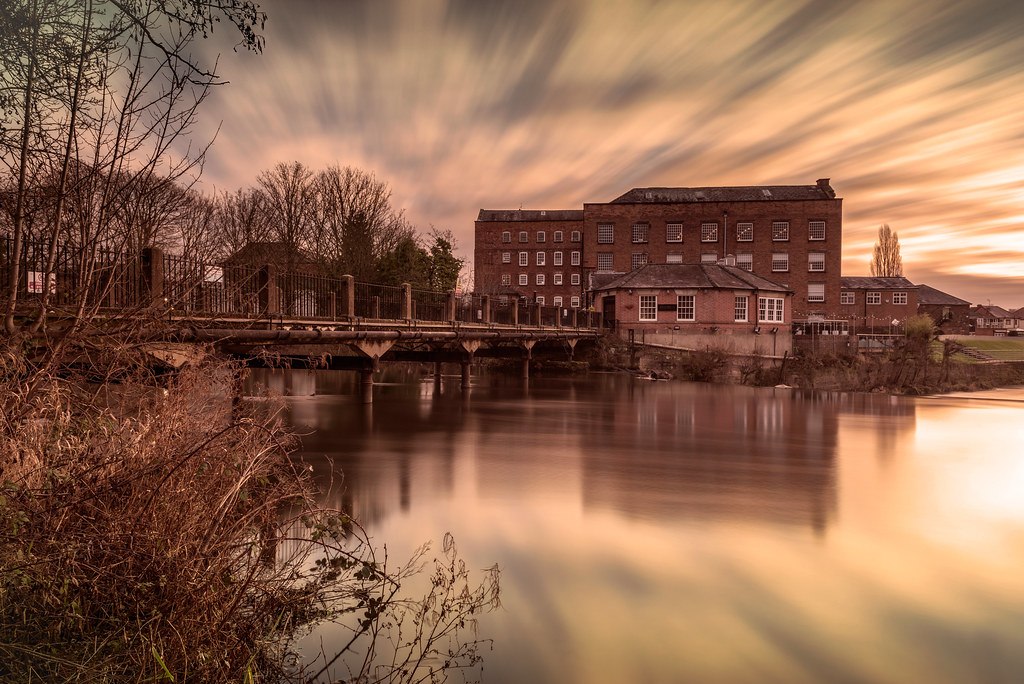
Derby to Long Eaton (Derbyshire)
15 minutes direct from Ambergate.
Waterways — River Derwent, Derby & Sandiacre Canal and Erewash Canal.
Time: 7h (5h30 walking, 1h30 lunch)
2 lunch spots: Canal Cottage Cafe (2h45 in), or the Navigation (3h15 in)
2 end-of-walk rewards: Peking House, or the Sawley Junction
Adapted from: the Leicester Ramblers.

Derby to Peartree (Derbyshire)
15 minutes direct from Ambergate.
Largely urban walking on pavements and a riverside path, through parks and along the line of the Derby Canal.
Time: 4h (2h30 walking, 1h30 lunch)
1 lunch spot: Waterside Café
Warnings: Only a few trains a day call at Peartree.
Walk details: North Staffordshire Community Rail Partnership (tips and turn-by-turn directions).

Derby to Nottingham (Derbyshire)
15 minutes direct from Ambergate.
Mixture of off-road cycle path and on-road sections. Part of the longer London-to-Lake-District route.
Time: 8h30 (7h walking, 1h30 lunch)
Walk details: Derwent Valley Line Community Rail Partnership (local insights).

Spondon Circular via Dale Abbey (Derbyshire)
30 minutes direct from Ambergate.
Villages, park grounds and ornamental lake.
Time: 6h (4h30 walking, 1h30 lunch)
2 lunch spots: Dale Abbey (2h in) — the Carpenters Arms, or the Friar's House
4 end-of-walk rewards: the Vernon Arms, the White Swan, the Hoptimist-Spondon, or the Malt Shovel
Adapted from: the Leicester Ramblers.

Beeston to Ilkeston (Nottinghamshire)
45 minutes direct from Ambergate.
Urban and suburban streets, golf-course path, woodland, abandoned canal towpath (partly waterlogged) and active canal towpath. Bennerley Viaduct gives expansive valley views — Ratcliffe-on-Soar Power Station is visible 10+ miles distant. Approximate walking time 4–5 hours.
Time: 5h30 (4h walking, 1h30 lunch)
Warnings: Heavy traffic at the dual-carriageway crossing near Nottingham; canal paths shared with cyclists.
Walk details: Walk Midlands (tips, photos and local insights).